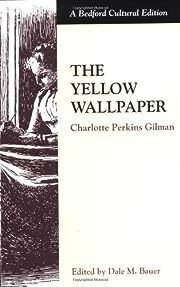
Yellow Wallpaper, The by Charlotte Perkins Gilman, Dale M. Bauer (Editor); 1892/1998. Softcover.
$5.00
Women's History Month
In stock
Product Details
Month: Women's History Month
Binding: Softcover
Year First Published: 1892
Year Published: 1998
"The Yellow Wallpaper" is a classic novella written by American author Charlotte Perkins Gilman. Published in 1892, this compelling and thought-provoking work of feminist literature has garnered significant attention over the years, leading to steady sales and enduring popularity. Set in the late 19th century, the story revolves around a nameless female narrator who is struggling with what is then diagnosed as "nervous depression" or "hysteria." Her husband, John, who is also her physician, prescribes the "rest cure," a common treatment at the time. As part of this treatment, the narrator is confined to a room in their summer house, isolated from the outside world, and forbidden from any intellectual or creative activity. The only stimulus she has is the room's yellow wallpaper, which she becomes increasingly fixated upon. The novella is a powerful exploration of the protagonist's descent into madness as she grapples with her confinement, the stifling expectations of society, and her own deteriorating mental state. The yellow wallpaper itself becomes a symbol of her inner turmoil and the oppressive nature of the patriarchal society she inhabits. Charlotte Perkins Gilman wrote "The Yellow Wallpaper" as a form of social commentary, critiquing the prevailing medical and societal attitudes towards women's mental health and autonomy. The book's feminist themes, vividly depicted psychological horror, and its critique of the medical establishment struck a chord with readers then and continues to resonate with modern audiences. Over the years, "The Yellow Wallpaper" has been studied in literature courses, feminist discussions, and mental health contexts. Its enduring relevance and powerful message have contributed to consistent sales and a lasting legacy in the world of literature. This classic novella continues to captivate and challenge readers, making it a must-read for those interested in exploring the intersection of gender, mental health, and societal norms.
Based on the 1892 New England Magazine text, this teaching edition of The Yellow Wallpaper includes a generous selection of historical materials. The documents are organized into thematic units and features nineteenth-century advice manuals for young women and mothers; medical texts discussing the nature of women's sexuality; social reform literature concerning women's rights, the working classes, and immigration; and excerpts from periodicals, diaries, and writers' notebooks that give students a sense of the changing literary scene that Gilman entered.
Save this product for later
Yellow Wallpaper, The by Charlotte Perkins Gilman, Dale M. Bauer (Editor); 1892/1998. Softcover.